

Custom CNC Turning Services
Precision CNC turning services for creating cylindrical parts with tight tolerances. From simple shafts to complex geometries, we deliver high-quality turned components.
GET A FREE QUOTEOur CNC Turning Capabilities
Standard CNC Turning
High-efficiency turning for cylindrical parts with excellent surface finish and dimensional accuracy.
Get a QuoteMulti-Axis Turning
Advanced multi-axis turning centers capable of producing complex geometries in a single setup.
Get a QuoteSwiss-Style Turning
Precision Swiss machining for small, complex parts requiring tight tolerances and fine surface finishes.
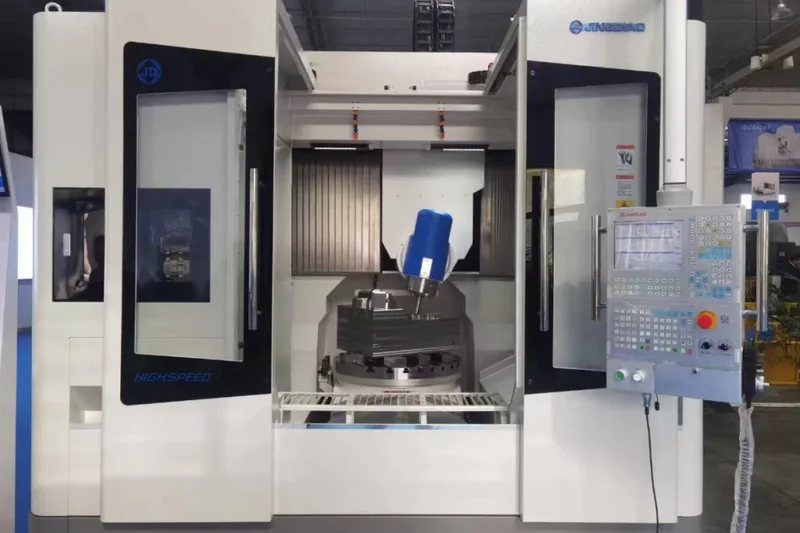
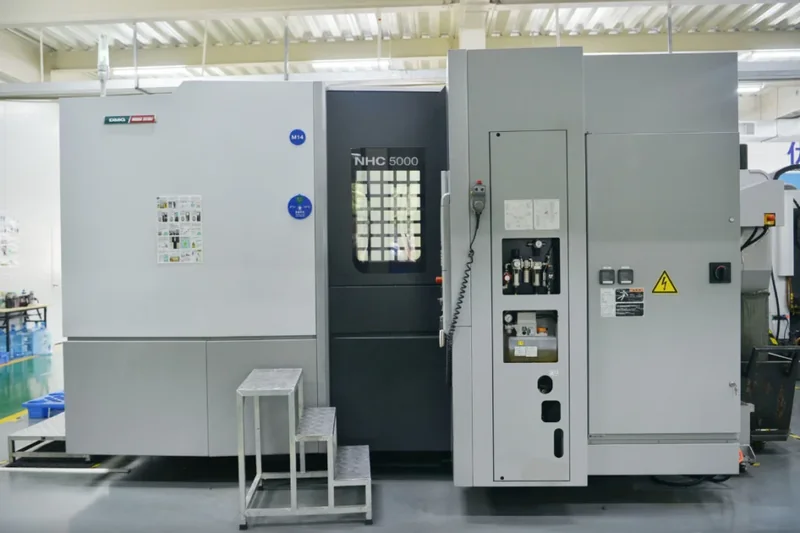
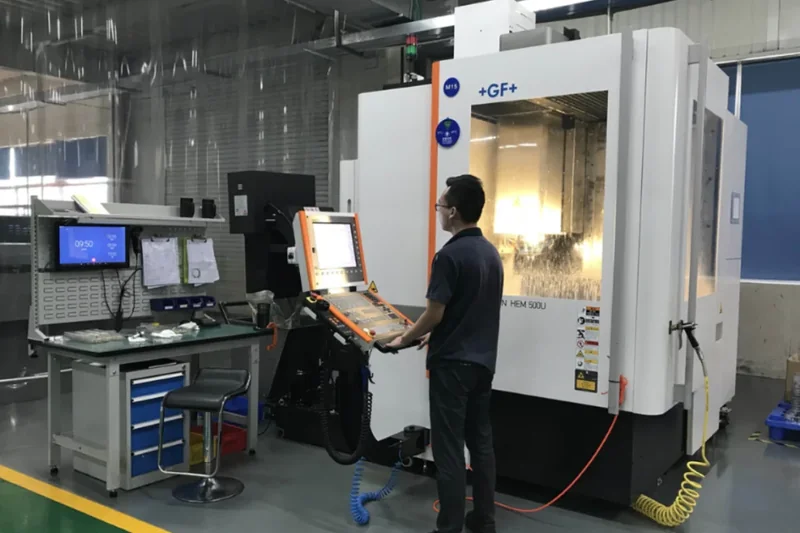
Get a QuoteOur CNC Turning Factory
Equipped with advanced CNC lathes and turning centers, our facility handles everything from simple turned parts to complex multi-axis components.
CNC Turning Parts Gallery
Aluminum
Contact us for detailed information about this material.
CNC Turning Surface Finishes
| Surface Finish | Color | Description | Materials |
|---|---|---|---|
| Anodizing | Clear, Black, Custom | Protective oxide layer for aluminum parts | Aluminum |
| Black Oxide | Black | Matte black finish for steel parts | Steel, Stainless Steel |
| Polishing | High Gloss | Mirror-like surface finish | Metals |
Tolerances for CNC Turning
| Specification | 3-Axis / Standard | 4-Axis / Precision | 5-Axis |
|---|---|---|---|
| Standard Turning | ±0.01mm | ±0.005mm | N/A |
| Precision Turning | ±0.005mm | ±0.002mm | N/A |
What is CNC Turning?
CNC turning is a subtractive manufacturing process where a cutting tool is fed against a rotating workpiece to remove material. It is primarily used for creating cylindrical parts such as shafts, bushings, and connectors with excellent surface finish and dimensional accuracy.
CNC Turning Parts Gallery
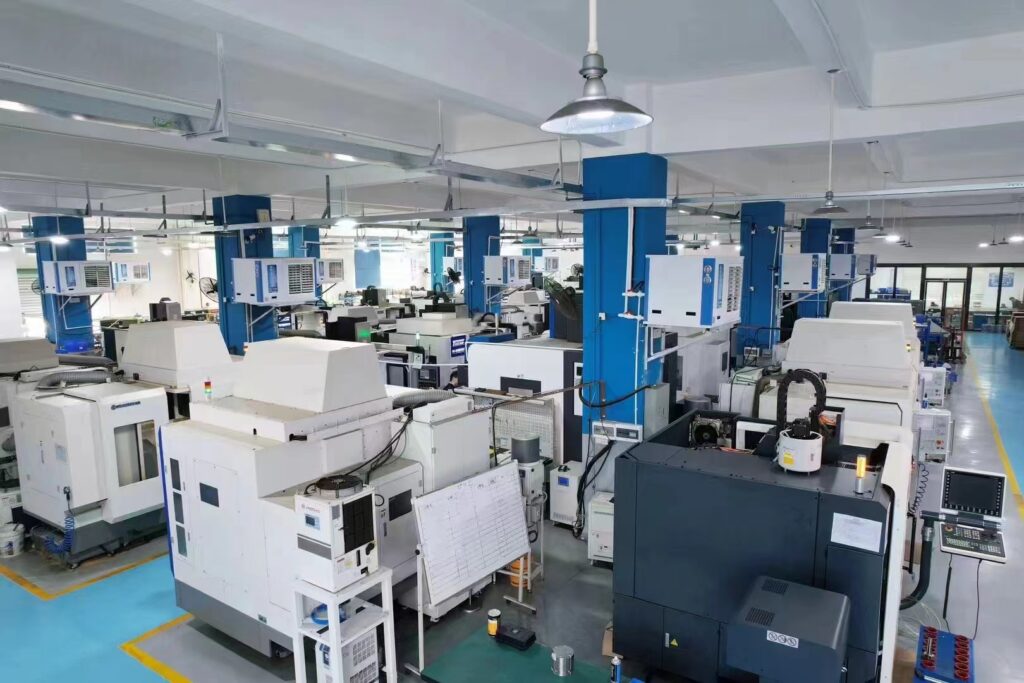
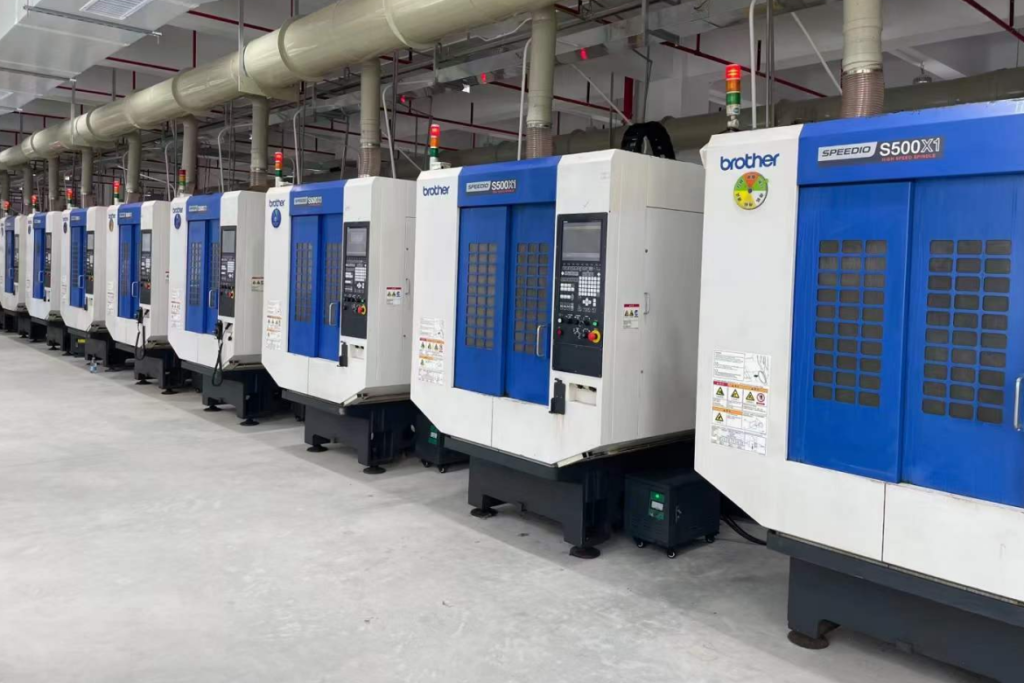
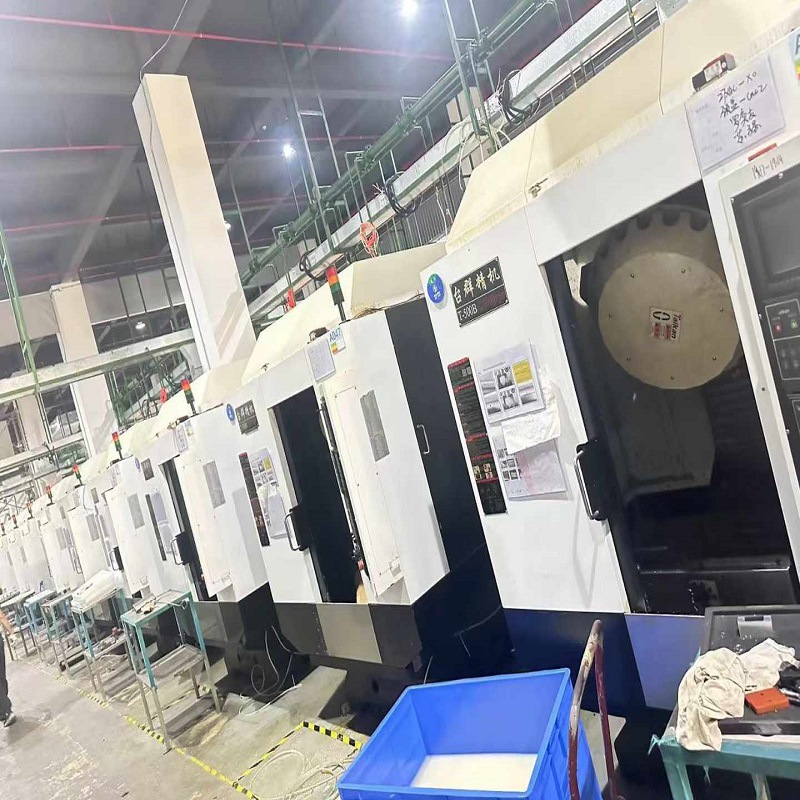
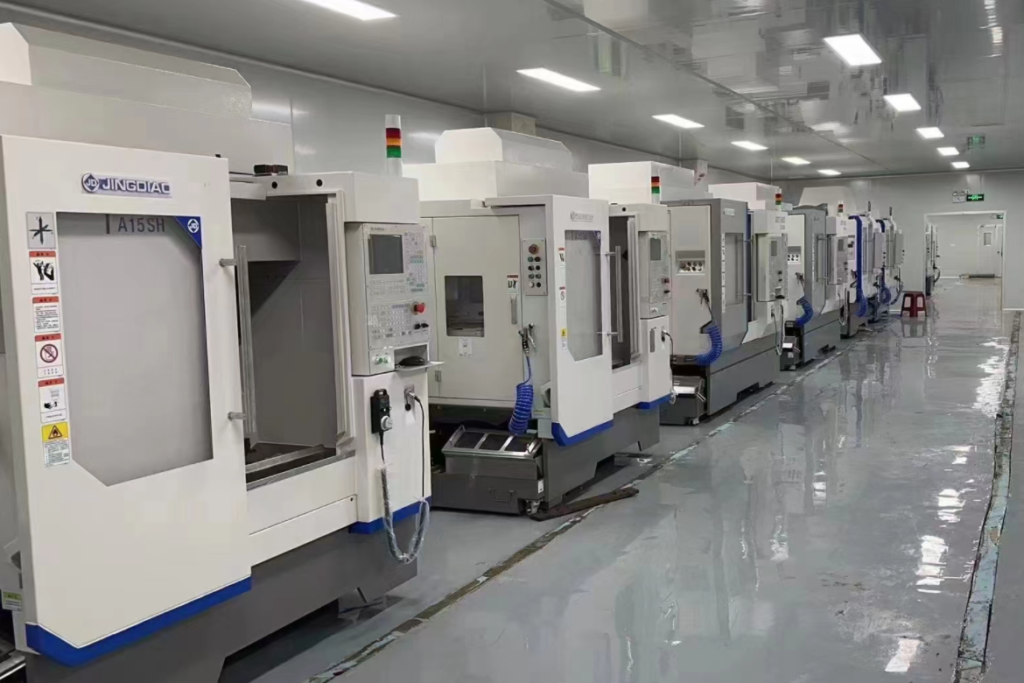
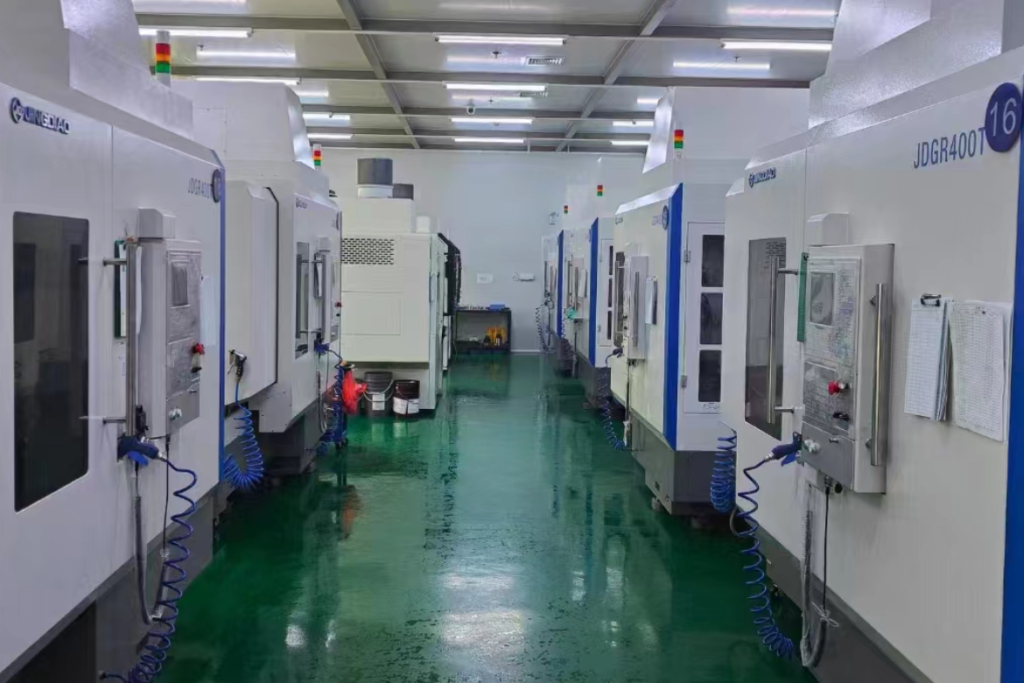
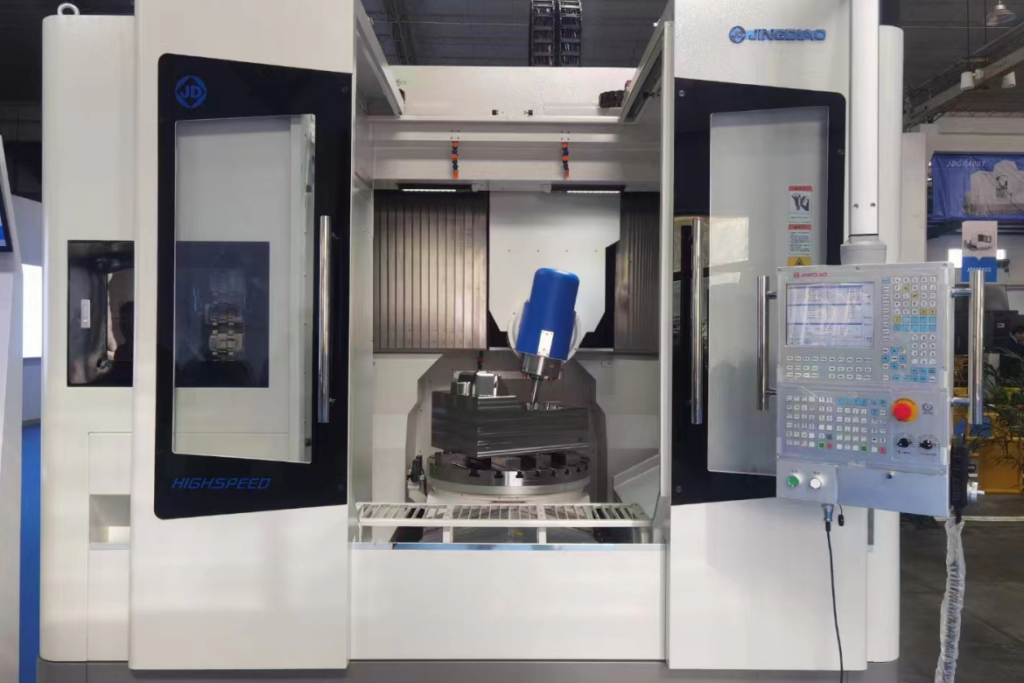
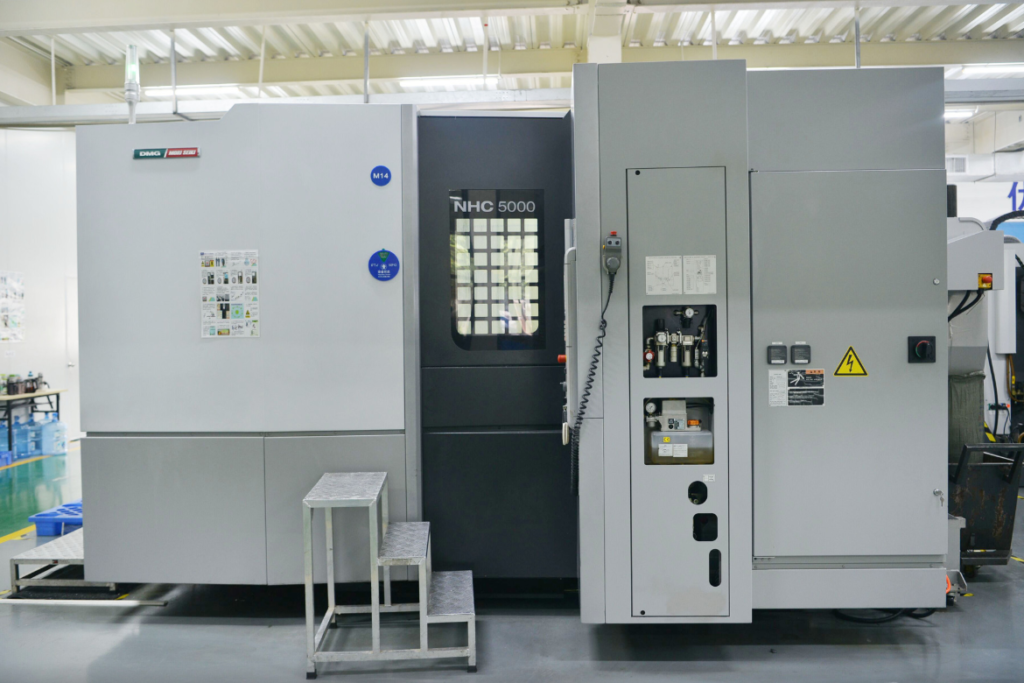
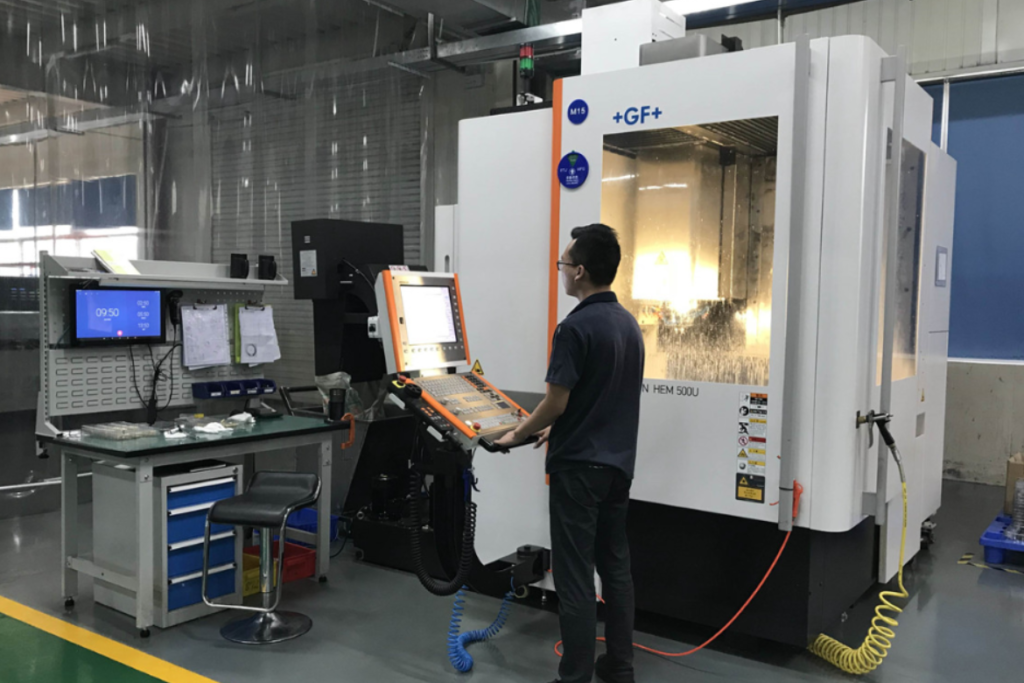
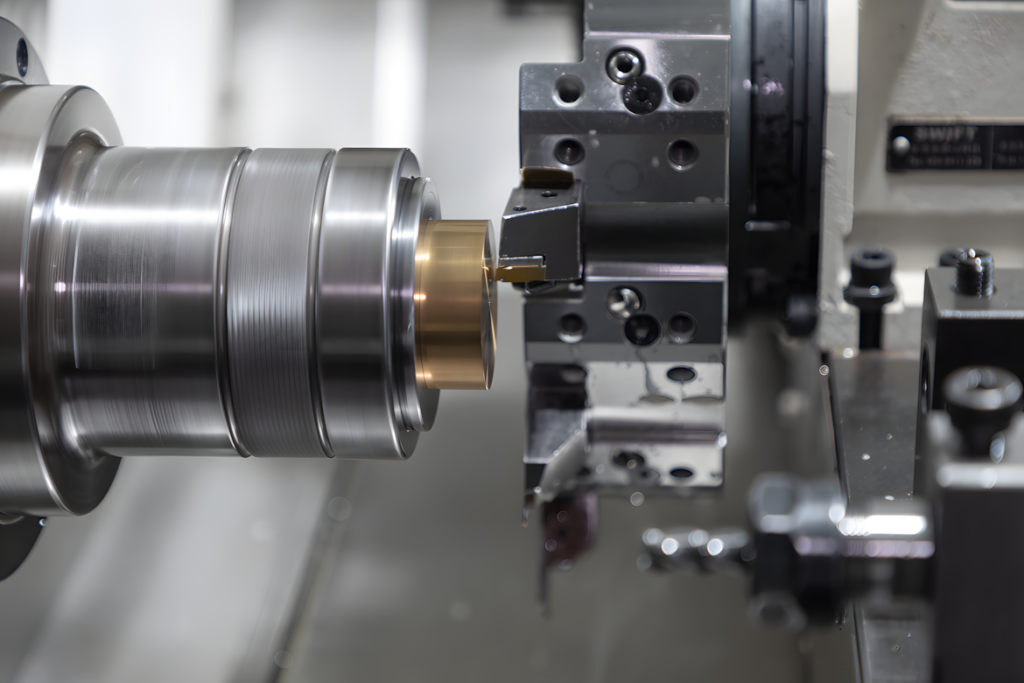
Our CNC Turning Equipment List
American Hardinge (CNC) — Φ284×406
Deshan Precision Machinery (CNC) — Φ200×150
Shangze CNC CK6180E-2000 (CNC Lathe) — Φ900×900
Fudao Precision Machinery (Turret Lathe) — Φ400×500
Deshan Precision Machinery (Dual-Spindle Lathe Complex) — Φ320×480
Deshan Precision Machinery (Lathe Complex) — Φ320×480
Daosheng 4+4 Lathe Complex — Φ200×150
Guangzhou Fangfang CNC (Conventional Lathe) — Φ350×1000
How to Work with iBest Mould
Upload CAD Design
Upload your CAD file via our form, and our team will respond promptly.
Quote & DFM Analysis
Get a detailed quote and a DFM analysis report for optimal part production feasibility.
Order Confirmation
Once you’re satisfied with the DFM report and quote, confirm the order to begin production.
Start Production
On order confirmation, production begins. Throughout the process, we’ll keep you updated on progress.
Applications of CNC Turning
Rapid Prototyping
With diverse material options, cost efficiency, and fast production, CNC is an excellent choice for prototyping.
Serial Production
CNC lathe turning is ideal for serial production parts, offering high-quality finishes, diverse material choices, and precise tolerances.
Rapid Tooling
CNC’s compatibility with almost any material makes it ideal for rapid tooling, including the production of fixtures and molds.
FAQs
What types of parts can CNC turning produce?
Can CNC turning produce plastic parts?
How does CNC turning differ from CNC milling?
What is a CNC turning center?
What materials are best for CNC turning?
How fast can CNC turning parts be produced?
Does CNC turning support small or large production runs?
Can CNC turning create internal threads and complex features?
How does CNC turning compare to 3D printing for prototyping?
Ready to Get Started?
Upload your design files for engineering review. We acknowledge enquiries within one business day, and quotation timing depends on project complexity and drawing completeness.
*All prices are subject to change. Prices may vary depending on material, complexity, quantity, and delivery time.
Get A Free Quote